
True Restore specializes in water damage restoration, helping homeowners and businesses recover after burst pipes, leaks, flooding, or storms. When water damage occurs, acting quickly is critical to protect your property and prevent further issues.
Standing water and hidden moisture can weaken walls and floors, create electrical hazards, and lead to mold growth in as little as 24–48 hours. Left untreated, even minor water damage can turn into costly repairs and health concerns.
Our team responds fast to stop the damage, dry affected areas, and restore your property safely and efficiently.
How to Spot Water Damage
Water damage isn’t always obvious at first, but there are warning signs to watch for. Stains or discoloration on ceilings and walls often point to hidden leaks, while musty odors may signal excess moisture or early mold growth.
Warped flooring, peeling paint, or bubbling drywall are also red flags that water has seeped into building materials. These issues often appear near plumbing fixtures, appliances, or after heavy rain. If you notice any of these signs, it’s best to schedule a professional inspection before the damage spreads or becomes more expensive to repair.
Common Causes of Water Damage
Water damage can come from many sources. Some of the most common we see include:
- Ice maker or refrigerator water line breaks
- Frozen hose bibs or burst pipes
- Water heater leaks or ruptures
- Dishwasher or washing machine malfunctions
- Shower or faucet cartridge failures
- Polybutylene or aging pipe failures
- Sump pump failures
- Groundwater intrusion or heavy storms
- Sewer backups or drain line failures
Understanding Water Sources and Damage Categories
Not all water losses are the same. The cleanup approach depends on where water came from and how contaminated it is:
- Clean Water (Category 1): Comes from a sanitary source like a supply line or water heater. These situations are often easier to dry and salvage if addressed quickly.
- Gray Water (Category 2): Contains mild contaminants from appliance overflows or plumbing issues, such as washing machine discharge or toilet tank leaks. These situations often require more thorough cleaning and removal of some materials.
- Black Water (Category 3): Includes sewage, drain backups, or floodwater. This water is highly contaminated and requires strict safety protocols and removal of affected porous materials.
In general, supply line failures fall under Category 1, while drain or sewer issues are typically Category 2 or 3. Our team identifies the source, determines the category, and tailors the cleanup accordingly.
Water Damage Restoration Process
At True Restore, speed is the priority. The sooner water damage is addressed, the more likely it is that materials can be saved and repairs kept to a minimum. Our team can arrive in under 2 hours to begin the restoration process.
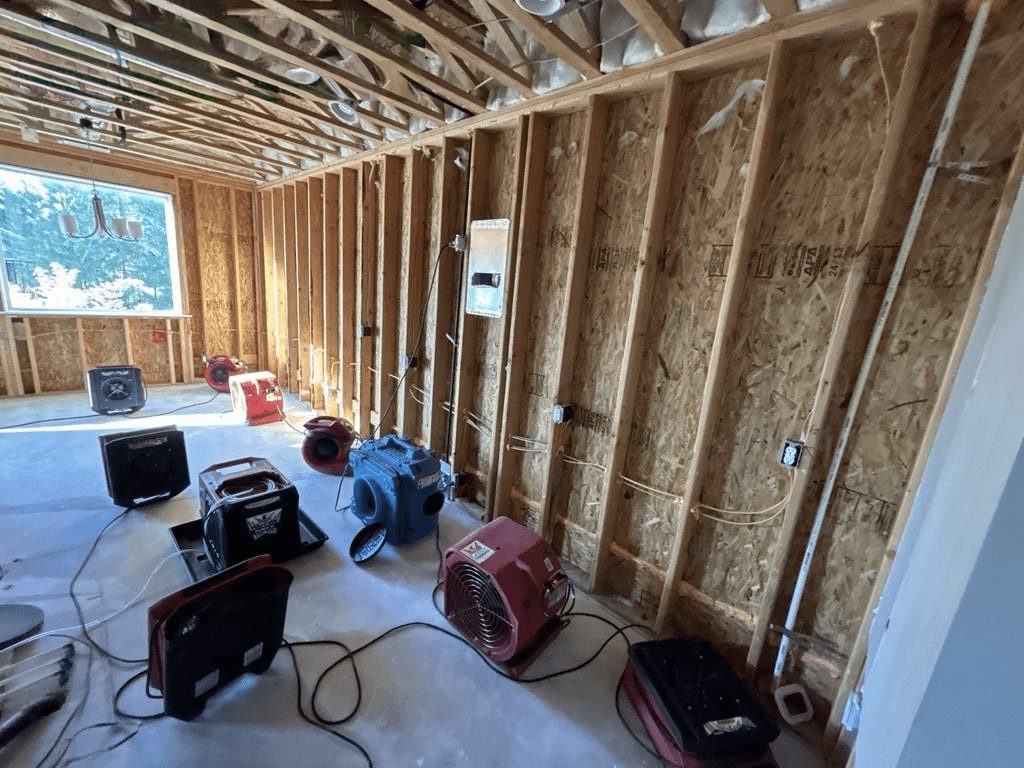
Once on-site, we remove any standing water and use professional-grade drying equipment to eliminate hidden moisture in walls, floors, and structural materials. We closely monitor moisture levels throughout the process to ensure the space is fully dry.
After drying, affected areas are cleaned and treated to help prevent mold growth. If repairs are needed, we coordinate the next steps to return your home or business to its pre-damage condition as smoothly as possible.
Hear From Recent Customers
Don’t just take our word for it, see what customers have to say about our work.
EXCELLENTTrustindex verifies that the original source of the review is Google. Made a last minute call to Ammon the manager who sent Brady out! Brady was fast, professional and thorough. He took the time to explain the situation to my wife and i. If we ever have an issue, these are our go to guys from now on!Posted onTrustindex verifies that the original source of the review is Google. Kaleb Woodworth came in on Sunday after water damage to our basement floors and wall. Answered all our questions was very patient with us. Very professional and understandingPosted onTrustindex verifies that the original source of the review is Google. Kaleb and Taylor were fast and patient. Excellent at describing all the steps. I was so impressed. I would recommend True Restoration for sure.Posted onTrustindex verifies that the original source of the review is Google. Fantastic experience with True Restore. Clark and his team scheduled in a mold remediation four our master bathroom after we discovered a lot of mold behind the shower wall and were here within a day. They were honest and thorough. The other companies we got quotes from were more than double for the same work after finding the same issues and remediation processes. Couldn’t be happier.Posted onTrustindex verifies that the original source of the review is Google. I was so impressed with how friendly and professional they were. They were so thorough and made sure there was zero moisture left after our leak that went into our basement. And they were quick to respond if I had questions. Highly recommend!Posted onTrustindex verifies that the original source of the review is Google. Quick to respond to initial needs. Appreciated them following up with readings on moisture levels during the time the dehumidifier was needed. Glad I didn't have to track them down. I don't know anything about their follow up repair work because we are doing it ourselves.Posted onTrustindex verifies that the original source of the review is Google. We have a mysterious leak from upstairs bathrooms into the unfinished laundry room below. The plumber couldn't access it due to home warranty restrictions. They recommended True Restore, who came out and inspected it with their magic water sensing tool. He was pretty confident there wasn't a major issue so we will wait to cut into the wall upstairs when we redo the bathrooms shortly.Posted onTrustindex verifies that the original source of the review is Google. Dallin was friendly and extremely helpful. They got our basement dried out after it flooded and we’re super grateful that they were so timely and informative.Posted onTrustindex verifies that the original source of the review is Google. Mike and Kyler are helping with some water damage and making it so easy and quick!Posted onTrustindex verifies that the original source of the review is Google. We had plumbing issues and true restore came out super quick and Kaleb Woodworth and Sam Smith where super professional and knowledgeable with leading us in the right direction for clean up and got started right away!. Would definitely recommend them to anyone and use them for anything in the future!. Very pleased with the experience and their services.
Frequently Asked Questions
How soon should water damage be addressed?
Immediately. Water can begin damaging materials and promoting mold growth within 24–48 hours. Early response significantly reduces repair costs.
Will water-damaged materials always need to be removed?
Not always. Our team evaluates materials to determine whether they can be safely dried or must be removed to prevent future issues.
Is professional drying really necessary?
Yes. Moisture often spreads into areas you can’t see, such as behind walls or under flooring. Professional equipment ensures all affected areas are properly dried.
Does insurance cover water damage?
Policies vary, though generally homeowners insurance can help cover sudden, accidental damage. In similar situations, renters insurance may help cover personal belongings that are damaged. Our technicians can help review your policy when they’re on site.
How much does water damage restoration cost?
Because no two water emergencies are identical, the final investment depends entirely on the unique conditions of your property. Every situation requires a professional on-site assessment to determine the exact equipment and cleanup steps needed. For more what what affects cost, check out our guide on how much water damage restoration costs.
Contact Us
Dealing with or suspecting water damage? Contact us and we’ll respond shortly. If this is an emergency, please call (208) 906-2423.