How Bleach Drives Mold Deeper Into Drywall
When homeowners spot mold on drywall, bleach is often one of the first solutions they reach for. It makes sense at first. Bleach can kill mold on some hard, nonporous surfaces, and the discoloration may disappear after cleaning. The problem is that drywall is porous, so bleach can soak into the material without reaching all of the mold that may be growing below the surface. In some cases, the added moisture can also make an existing moisture problem worse.
Why Drywall Is Difficult to Clean
Drywall is very different from materials like glass, tile, or metal. Its outer paper facing and gypsum core can absorb and hold moisture, which gives mold an opportunity to grow beyond what you can see on the surface. If drywall has been exposed to a leak, flooding, high humidity, or another moisture source, visible mold may only be part of the problem. This is one reason simply wiping the surface isn’t always enough. You may remove some of the visible growth while leaving moisture and contamination within the material. The drywall can then continue to support mold growth, particularly if the original moisture source hasn’t been addressed. What looks like a clean wall may not actually be a clean, dry wall.
What Happens When You Use Bleach
Bleach can be useful for certain cleaning applications, but porous drywall presents a different challenge. When a bleach solution is applied to moldy drywall, some of that liquid can soak into the paper and gypsum rather than staying on the surface where the mold is visible. This doesn’t necessarily mean bleach physically pushes mold deeper into the wall, but it can introduce more moisture into a material that may already be holding moisture.
Another issue is that bleach can lighten or remove the appearance of mold without removing the affected material. That can create the impression that the problem has been solved when mold or moisture remains underneath. If the conditions that caused the mold are still present, growth can return after the surface has been cleaned.
How Professionals Handle Moldy Drywall
Professional mold remediation starts by figuring out why the mold is there in the first place. A restoration professional can inspect the affected area, use moisture detection equipment to identify damp materials, and look for signs that moisture has traveled beyond the visible mold. This helps determine whether the problem is limited to the surface or involves a larger area of the wall.
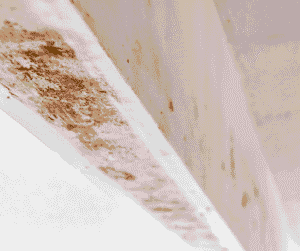
Depending on the condition of the drywall, affected material may need to be removed rather than simply cleaned. Professionals can use containment and air filtration methods to limit the spread of mold particles during the work. Materials that can be cleaned are treated appropriately, while damaged or heavily contaminated materials may be removed and disposed of. The area can then be dried so the same moisture problem doesn’t continue creating conditions for mold growth.
When to Call for Mold Removal
A small amount of surface mildew on a hard, nonporous material is different from mold growing on drywall. If you are dealing with recurring mold, a musty odor, damp or soft drywall, visible water damage, or mold around a known leak, it is worth having the area professionally evaluated. The same applies when you aren’t sure how far the moisture has traveled or whether other building materials are affected.
You should also be cautious about repeatedly cleaning the same moldy area. If mold keeps coming back after cleaning, that’s a good indication that something more than the surface needs attention. Finding and addressing the moisture source is an important part of solving the problem instead of repeatedly treating the visible growth.
Professional Mold Removal Done Right
If mold has affected drywall in your home, trying to make the wall look clean isn’t necessarily the same as removing the problem. True Restore can inspect the affected area, identify moisture, determine which materials are affected, and develop an appropriate cleanup plan. Our technicians use professional containment, removal, cleaning, air filtration, and drying methods based on the conditions they find.
Mold problems can be much easier to address when they are caught before moisture and contamination spread further through the building materials. If you have mold on drywall or aren’t sure whether a recurring mold problem goes deeper than the surface, contact True Restore for professional help.
Contact True Restore today at (208) 906-2423 or with the form below to get started.
