The 60-Minute Water Damage Emergency Checklist
When water starts getting into your home, it can be difficult to know what to do first. You may be worried about your floors, furniture, personal belongings, and how much the damage is going to cost. The first hour is important, but you do not need to have everything figured out right away. The goal of the first 60 minutes is to keep everyone safe, limit additional damage, document what happened, and get professional help on the way. Use this water damage emergency checklist to work through the most important steps without making the situation worse.
Start With Safety
Before worrying about the damage to your home, make sure everyone is safe. Standing water can create electrical hazards, and certain types of water damage can also make an area unsafe to enter. Keep children and pets away from affected areas, and do not enter a space if you suspect electrical problems or structural damage. If the source of the water can be safely stopped, take care of it. For example, you may be able to turn off the supply line to a leaking toilet, sink, or appliance. Do not attempt repairs that require entering an unsafe area or working around electrical equipment and standing water.
If you are dealing with a major leak, flooding, sewage backup, or another serious situation, getting out of the affected area may be the safest option until a professional can assess it.
Limit Further Damage
Once everyone is safe, look for reasonable ways to keep the damage from spreading. Move furniture, rugs, electronics, and other belongings away from the water if you can do so safely. Valuable or important items should be moved to a dry location whenever possible. You can also place containers under active drips and remove items that are sitting in water if they are light enough to move safely. Avoid dragging heavy furniture through standing water, since this can cause injuries and may spread contaminated water into other areas.
This is also a good time to call a water damage restoration company. You do not need to spend the entire first hour trying to extract water or clean everything yourself. The sooner a professional can assess the situation, the sooner you can determine what needs to be dried, cleaned, or removed.
Document the Damage
Before you start throwing things away or making major changes to the affected area, take photos and videos. Get wide shots that show the overall damage as well as close-ups of damaged floors, walls, ceilings, furniture, and personal belongings. If you know where the water came from, document that as well. Water stains, damaged pipes, overflowing fixtures, and other details can help show what happened.
It is also a good idea to keep receipts for reasonable emergency expenses and save any documentation related to the damage. If you decide to file an insurance claim, having photos and records from the beginning can be helpful when discussing the loss with your insurance company.
Call a Water Damage Restoration Company
Visible water is not always the full extent of a water damage problem. Water can move underneath flooring, into walls, behind cabinets, and into other areas that may not look damaged from the surface. Moisture that remains hidden can create additional problems if the affected materials do not dry properly. A professional restoration company can use moisture detection equipment to find areas that need attention and determine where the water has traveled. From there, the team can begin the appropriate extraction, drying, cleaning, and restoration work.
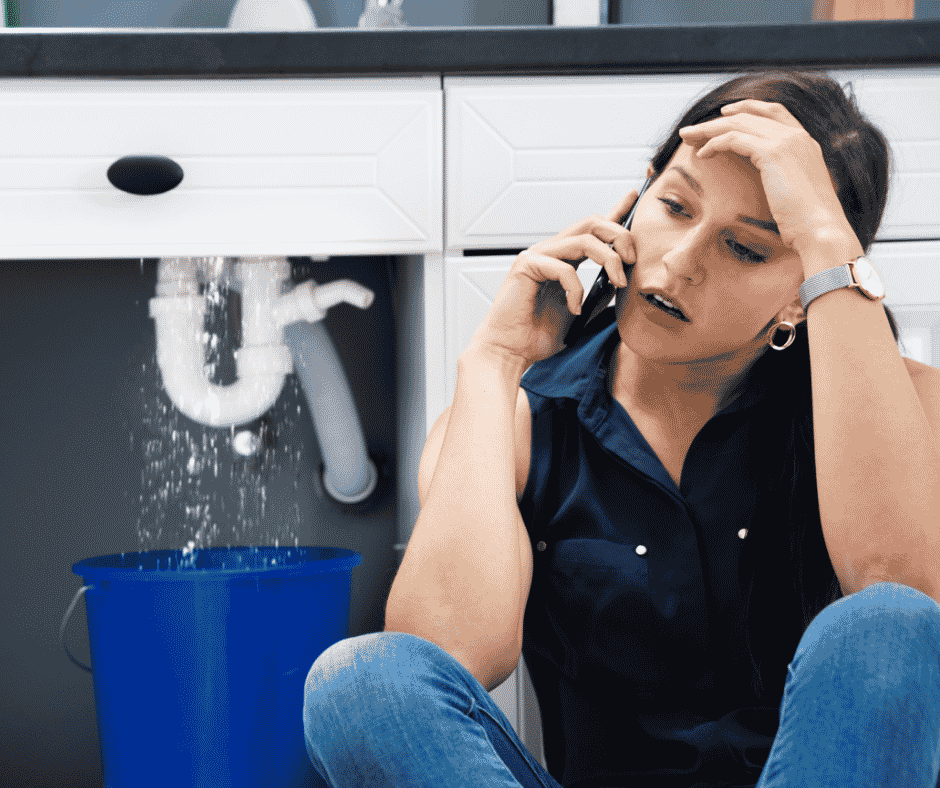
True Restore is available 24/7 and can often be on site in under two hours for emergency water damage. Our team uses professional moisture detection and drying equipment, can help document the damage, and works with most insurance providers. We can also help homeowners understand whether filing a claim may make sense before work begins, although your insurance company ultimately determines coverage.
The first 60 minutes after water damage are not about completely cleaning up your home. They are about staying safe, limiting additional damage, documenting what happened, and getting the right help moving. If you wait several days to see whether visible water will dry on its own, hidden moisture can continue affecting materials you cannot see. Contact True Restore as soon as possible so we can assess the damage and help you determine the next steps.
Contact True Restore today at (208) 906-2423 or with the form below to get started.
