
Fire Damage Restoration Process: What to Expect
Once a fire has been put out, it can be tempting to think the worst is over. Unfortunately, the damage left behind can continue to cause problems long after the flames are gone. Smoke, soot, odors, and water from firefighting efforts can all affect your home and belongings. The fire damage restoration process is designed to address all of these issues, not just the areas that were burned. Depending on the situation, restoration may include securing the property, removing smoke and soot, extracting water, drying affected areas, cleaning, deodorizing, and repairing damaged materials.
Every fire is different, so the exact process will depend on how much damage occurred and which areas of the property were affected. Understanding what usually happens can make the recovery process feel a little less overwhelming.
Inspecting and Securing the Property
The first step in the fire damage restoration process is determining exactly what happened. A restoration professional will inspect the property to identify visible fire damage as well as areas affected by smoke, soot, and water. The inspection may include:
- Examining walls, ceilings, floors, and other structural materials
- Looking for smoke and soot that traveled beyond the fire
- Checking for water damage from firefighting efforts
- Identifying areas that may be unsafe
- Determining what can be cleaned and what may need to be replaced
The goal is to get a complete picture of the loss before determining what needs to happen next. In some situations, the property may also need to be secured before restoration can begin. This could include boarding up damaged windows, doors, or other openings to help protect the property from additional damage.
Removing Smoke and Soot
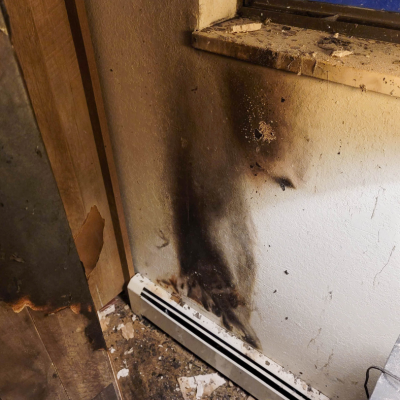
Fire damage isn’t limited to the area where the flames were burning. Smoke can travel throughout a home through open spaces, HVAC systems, and other pathways. Soot can settle on walls, ceilings, furniture, flooring, and personal belongings. Removing these residues requires more than wiping down surfaces with ordinary household cleaners. Different types of smoke and soot can require different cleaning methods, and using the wrong approach can sometimes make the damage worse.
Professional restoration involves carefully cleaning affected surfaces and determining which belongings can be restored. Furniture, clothing, household items, and other contents may be cleaned when possible, while heavily contaminated or damaged materials may need to be removed.
It’s also important to begin this process relatively quickly. Soot can become more difficult to remove the longer it remains on certain surfaces, and smoke odors can become deeply embedded in porous materials.
Water Removal and Drying
Water damage is another common part of the fire damage restoration process. Firefighters use significant amounts of water to extinguish a fire, and that water can soak into flooring, drywall, insulation, and other materials. Standing water needs to be removed as quickly as possible. Restoration professionals can use water extraction equipment to remove moisture and then use commercial air movers and dehumidifiers to dry the affected areas.
Moisture detection is an important part of this process because water isn’t always visible. It can move underneath flooring, behind walls, and into other areas of the structure. Monitoring moisture levels during drying helps determine when the affected materials are actually dry. Addressing the water damage also helps reduce the chance of additional problems, such as mold growth and deterioration of building materials.
Cleaning, Deodorizing, and Repairs
Once the property has been stabilized and the major sources of damage have been addressed, restoration can move toward cleaning and repairs. This may include deep cleaning of affected surfaces, treating persistent smoke odors, and using professional air filtration equipment when appropriate. Salvageable belongings may also be cleaned and deodorized rather than automatically thrown away.
Unfortunately, not everything can be restored. Materials that have been severely burned, contaminated, or otherwise damaged beyond repair may need to be removed and replaced. This could include drywall, flooring, insulation, cabinets, or other parts of the property. Once cleaning and restoration is complete, repairs can begin. Depending on the extent of the damage, this may involve replacing damaged materials and making other repairs needed to return the property to a safe, usable condition.
Restoring Your Property After a Fire
The fire damage restoration process can involve a lot of moving parts, but you don’t have to figure everything out on your own. A professional restoration company can help assess the damage, determine what can be restored, and guide you through the steps needed to get your property back to normal.
True Restore provides professional fire damage restoration services with a focus on fast response, thorough cleaning, and clear communication. Our team is available 24/7 to respond when you need help and can address the combination of fire, smoke, soot, and water damage that often follows a fire. If your property has been affected by a fire, don’t wait for the damage to become a bigger problem. Contact True Restore to have your property assessed and begin the restoration process.
Contact True Restore today at (208) 906-2423 or with the form below to get started.